
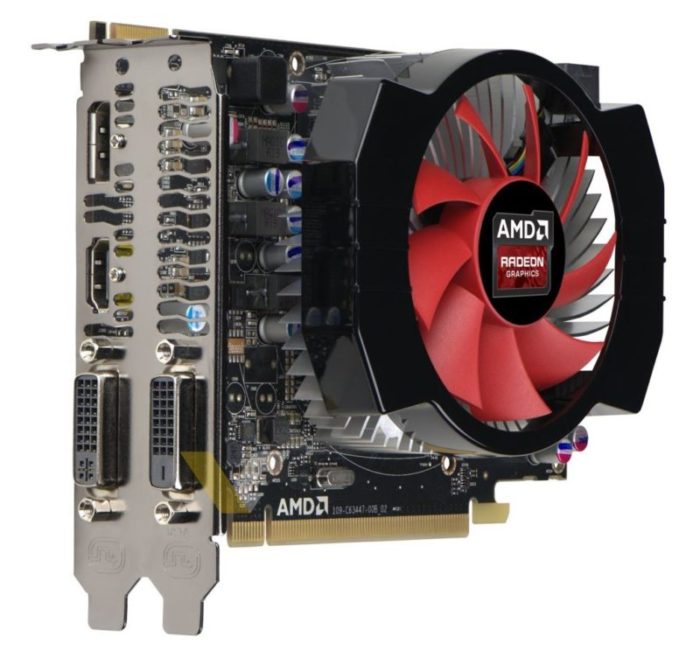
AMD Radeon R7 360 Graphics Cards Specifications
The AMD Radeon R7 360 is a notable graphics card that has gained attention among gamers and computer enthusiasts due to its appealing specifications and performance. Understanding its features can help individuals decide if it is the right choice for their gaming or graphic design needs. We will explain the key specifications of the R7 360, focusing on its cooling system, core clock, memory bandwidth, memory size, interface, and streaming processing units.
One of the standout features of the AMD Radeon R7 360 is its cooling system, known as the iCooler. This advanced cooling technology is designed to maintain optimal operating temperatures, which is crucial for high-performance tasks. The efficient cooling system helps prevent overheating, allowing the graphics card to run smoothly even during intense gaming sessions. Such cooling solutions are particularly important in modern gaming where graphics demands are continuously increasing.
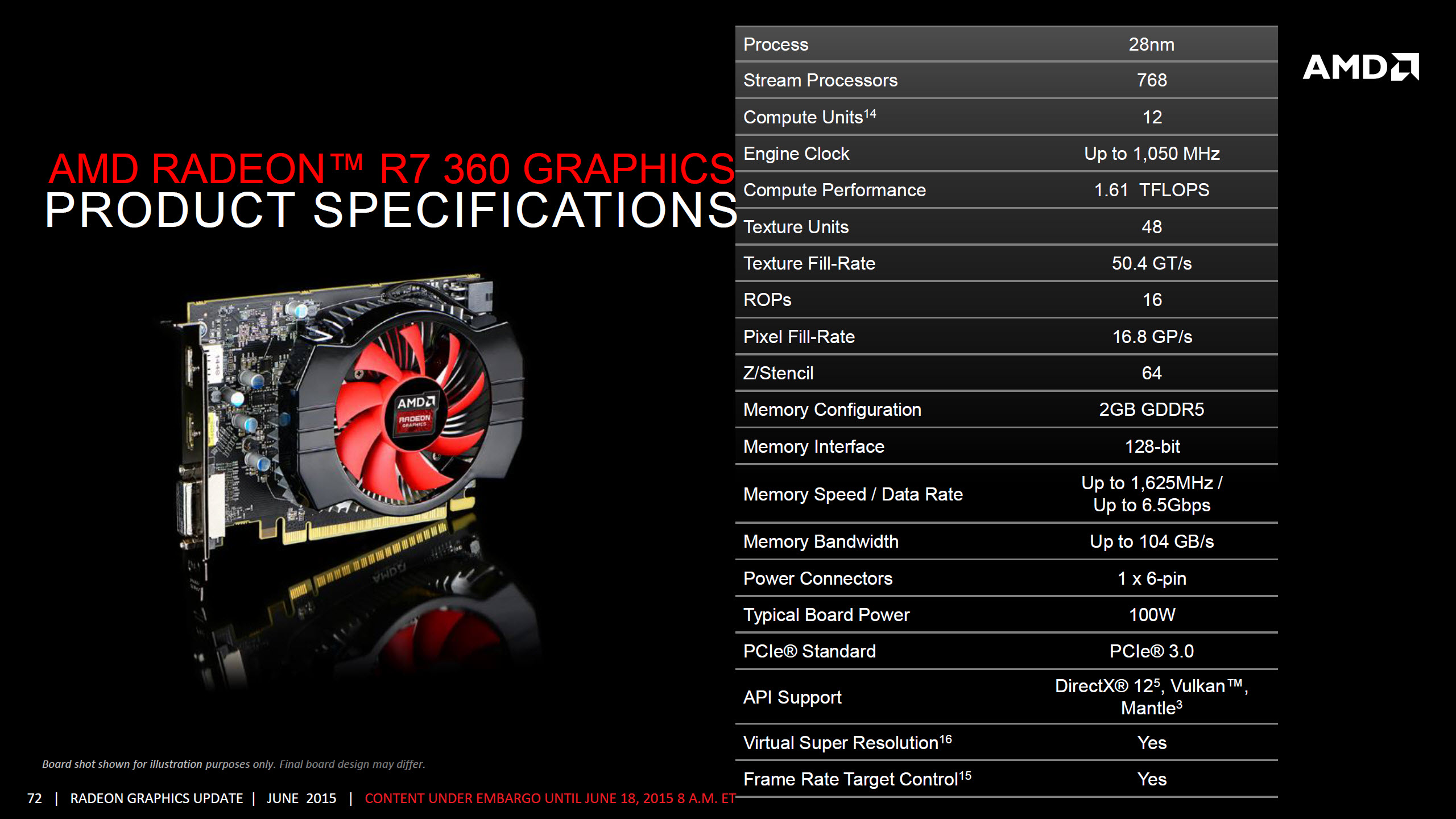
The core clock speed of the R7 360 is set at 1070 MHz, which plays a vital role in determining the overall performance of the graphics card. A higher core clock speed means the GPU can process data more quickly, resulting in smoother gameplay and improved graphics rendering. This specification is particularly useful for gamers who are looking for a seamless experience, as it can significantly affect frame rates and the detailed display of graphics.
Memory bandwidth is another significant parameter, with the R7 360 boasting a memory bandwidth of 112 GB/s. This high bandwidth allows the graphics card to transfer data rapidly between its memory and the GPU. It is essential for handling complex graphics and large textures, especially in modern video games that often include high-resolution assets. A strong memory bandwidth contributes to an overall better gaming experience, characterized by visually stunning graphics and minimal lag.
The memory specifications further highlight the capabilities of the Radeon R7 360. It is equipped with a memory size of 2048 MB and utilizes a 128-bit GDDR5 memory interface. This combination provides adequate video memory for most gaming applications without draining overall system resources. While some gamers might prefer graphics cards with larger memory capacities for advanced gaming, the R7 360 strikes a balance between performance and cost-effectiveness.
Additionally, with 768 stream processing units divided across 12 compute units, the Radeon R7 360 can efficiently handle multiple tasks simultaneously. This feature enables the card to manage complex calculations and graphical effects, making it suitable for both gaming and professional graphics work.
The AMD Radeon R7 360 offers a compelling package of specifications designed to enhance gaming and graphics performance. Its efficient cooling system, competitive core clock speed, high memory bandwidth, and effective stream processing capabilities make it a valuable option for gamers and crypto currency miners. While newer models exist, the R7 360 remains a solid choice for those seeking a reliable and powerful graphics card at a reasonable price point.
Summary of AMD Radeon R7 360 Specifications :
- Cooling System : iCooler
- Core Clock : 1070 MHz
- Memory Bandwidth : 112 GB/s
- Memory Clock : 6000 MHz
- Memory Size : 2048 MB
- Memory Interface : 128-bit GDDR5
- Streem Processing Units : 768 (12 Compute Units)
Mining Performance of the AMD R7 360 Graphics Card
The AMD R7 360 is a popular graphics card among gamers and cryptocurrency miners alike. Its performance in mining various cryptocurrencies is noteworthy, showcasing the versatility of this hardware. In this post we will explore the mining hashrates of the R7 360 across several cryptocurrencies, illustrating its capabilities and performance metrics.
First, let’s consider the mining hashrate of Decred (DCR). The AMD R7 360 offers a hashrate of approximately 0. 29 GH/s when mining DCR. This relatively modest figure indicates that while the R7 360 can contribute to mining efforts, it may not be the most efficient choice for this particular cryptocurrency. Miners often seek to maximize their profits, and understanding the specific hashrate associated with each currency can help in making informed decisions.
In addition to Decred, the R7 360 is also compatible with the Cryptonight algorithm, which is utilized by cryptocurrencies like Monero (XMR) and DigitalNote (XDN). The mining hashrate for this algorithm stands at around 0. 2 kH/s. Cryptonight currencies are known for their strong emphasis on privacy, making them popular among certain user groups. However, this hashrate suggests that the R7 360 is more suited for casual miners rather than those seeking to dominate the Cryptonight network.
The performance of the R7 360 further extends to Lbry (LBC), where it achieves a mining hashrate of 0. 03 GH/s. Lbry is less widely known compared to other cryptocurrencies, but it holds significance in the context of decentralized content distribution. This hashrate reflects the card’s ability to engage in various mining activities, even with lesser-known currencies.
In terms of Equihash-based cryptocurrencies, such as Zcash (ZEC) and Zencash (ZEN), the R7 360 reaches a commendable mining hashrate of 102 Sol/s. This performance makes it an attractive option for miners focusing on these currencies, as Equihash caters to a broad user base and has gained traction in recent years.
Another algorithm that the R7 360 can tackle is Pascal, with a mining hashrate of 0. 25 GH/s. This capability further emphasizes the card’s adaptability across multiple cryptocurrency ecosystems. Finally, the R7 360 also exhibits a hashrate of 1 GH/s for the X11 algorithm used by Sibcoin (SIB), showcasing its efficiency in handling diverse tasks.
Despite its respectable performance, the power consumption of the AMD R7 360 is notable. Operating at approximately 80 watts per hour, it offers a relatively efficient performance-to-power ratio, making it advantageous for miners concerned about electricity costs.
The AMD R7 360 presents a range of mining capabilities across various cryptocurrencies, from Decred to Sibcoin. Understanding its hashrates helps miners assess its efficiency and potential profitability. While it may not be the leading choice for all cryptocurrencies, its versatility and power-efficient performance make it a valuable asset for both new and experienced miners in the evolving crypto landscape.
Summary of AMD R7 360 Mining Performance:
- Decred (DCR) Mining Hashrate : 0.29 GH/s
- Cryptonight [ (XMR) & (XDN) ] Mining Hashrate : 0.2 kH/s
- Lbry ( LBC ) Mining Hashrate : 0.03 GH/s
- Equihash [ (ZEC – ZEN – ZCL) & (BTG) & (KMD) & (HUSH) ] Mining Hashrate : 102 Sol/s
- Pascal [ (PASC) & (PASL) ] Mining Hashrate : 0.25 GH/s
- X11GOST [ Sibcoin (SIB) ] Mining Hashrate : 1 GH/s
Power Consumption : 80 Watt/Per Hour.
ASRock Intel Arc A380 Challenger ITX 6GB OC Graphics Card | Single Slot ITX | 2250 MHz | 6GB GDDR6 | DisplayPort 2.0 | HDMI 2.0b | 0dB Cooling | 8K Support | 500W | DirectX 12 Ultimate | PCle 4.0
$139.99 (as of 11/03/2026 13:57 GMT +03:00 - More infoProduct prices and availability are accurate as of the date/time indicated and are subject to change. Any price and availability information displayed on [relevant Amazon Site(s), as applicable] at the time of purchase will apply to the purchase of this product.)
ASUS Dual Radeon™ RX 9060 XT 16GB GDDR6 Graphics Card (PCIe 5.0, HDMI 2.1b, DisplayPort 2.1a, 2.5-Slot Design, Axial-tech Fan Design, 0dB Technology, and More)
$489.99 (as of 11/03/2026 13:57 GMT +03:00 - More infoProduct prices and availability are accurate as of the date/time indicated and are subject to change. Any price and availability information displayed on [relevant Amazon Site(s), as applicable] at the time of purchase will apply to the purchase of this product.)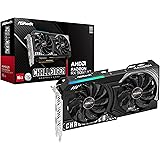
ASRock Radeon RX 9060 XT Challenger 16GB GDDR6 OC Graphics Card | 3300 MHz Boost | Dual Fan | 0dB Cooling | Metal Backplate | PCIe 5.0 | DisplayPort 2.1a, HDMI 2.1b
$469.99 (as of 11/03/2026 13:57 GMT +03:00 - More infoProduct prices and availability are accurate as of the date/time indicated and are subject to change. Any price and availability information displayed on [relevant Amazon Site(s), as applicable] at the time of purchase will apply to the purchase of this product.)
ASUS TUF GeForce RTX™ 5080 16GB GDDR7 OC Edition Graphics Card, NVIDIA, Desktop (PCIe® 5.0, HDMI®/DP 2.1, 3.6-Slot, Military-Grade Components, Protective PCB Coating, Axial-tech Fans, Vapor Chamber)
$1,644.99 (as of 11/03/2026 13:57 GMT +03:00 - More infoProduct prices and availability are accurate as of the date/time indicated and are subject to change. Any price and availability information displayed on [relevant Amazon Site(s), as applicable] at the time of purchase will apply to the purchase of this product.)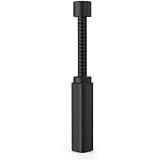
Graphics Card GPU Brace Support, Video Card Sag Holder Bracket, GPU Stand (L, 74-120mm)
$8.99 (as of 11/03/2026 13:57 GMT +03:00 - More infoProduct prices and availability are accurate as of the date/time indicated and are subject to change. Any price and availability information displayed on [relevant Amazon Site(s), as applicable] at the time of purchase will apply to the purchase of this product.)