

AMD Radeon HD 7950 Hashrate Explained
The AMD Radeon HD 7950 is a graphics card that was popular for gaming and cryptocurrency mining during its prime. Released in early 2012, this card features specifications that still interest many tech enthusiasts and miners today. Understanding its capabilities is essential for anyone considering its use for mining or gaming.
One of the standout features of the AMD Radeon HD 7950 is its memory size. With 3GB of GDDR5 memory, this card is capable of efficiently handling demanding tasks. The memory clock speed of 1250MHz enables quick data access, allowing the card to perform operations faster than many older models. This high-speed memory is crucial in both gaming and mining environments, as it improves overall performance.
Another significant aspect of the HD 7950 is its impressive memory bandwidth of 240 GB/s. Bandwidth refers to the amount of data that can be transferred to and from the graphics card in a given time. A higher bandwidth means that the card can handle more information simultaneously. This capability is particularly beneficial in mining cryptocurrencies, where high data throughput can enhance the mining efficiency.
The GPU is equipped with 1792 stream processing units, organized into 28 compute units. These units are essential for performing parallel calculations, which are commonly required in graphics rendering and cryptocurrency mining. The more stream processors a graphics card has, the better it generally performs in computational tasks. With a single precision compute power of 2. 87 TFLOPS, the AMD HD 7950 offers solid performance for various applications, especially in less competitive mining scenarios.
In recent years, while newer graphics cards have emerged that outperform the HD 7950, it still holds a place among budget miners. Its mining hashrate, which typically lies between 300 to 400 MH/s depending on the conditions and optimizations, can yield reasonable returns when mining specific cryptocurrencies. This makes it an appealing choice for casual miners or those new to cryptocurrency who are looking for an affordable entry point.
The AMD Radeon HD 7950 remains a relevant choice for both gamers and miners, thanks to its robust specifications. With its 3GB GDDR5 memory, high memory bandwidth, and impressive stream processing units, it provides a good balance of performance and price. Even as technology advances, this graphics card serves as a reminder of the foundational tools that built the gaming and cryptocurrency mining landscape we see today.
Summary of AMD Radeon HD 7950 specifications :
- Memory size : 3GB GDDR5
- Memory Clock : 1250MHz
- Memory Bandwidth : 240 GB/s
- Streem Processing Units : 1792 ( 28 compute units )
- Single Precision Compute Power : 2.87 TFLOPS
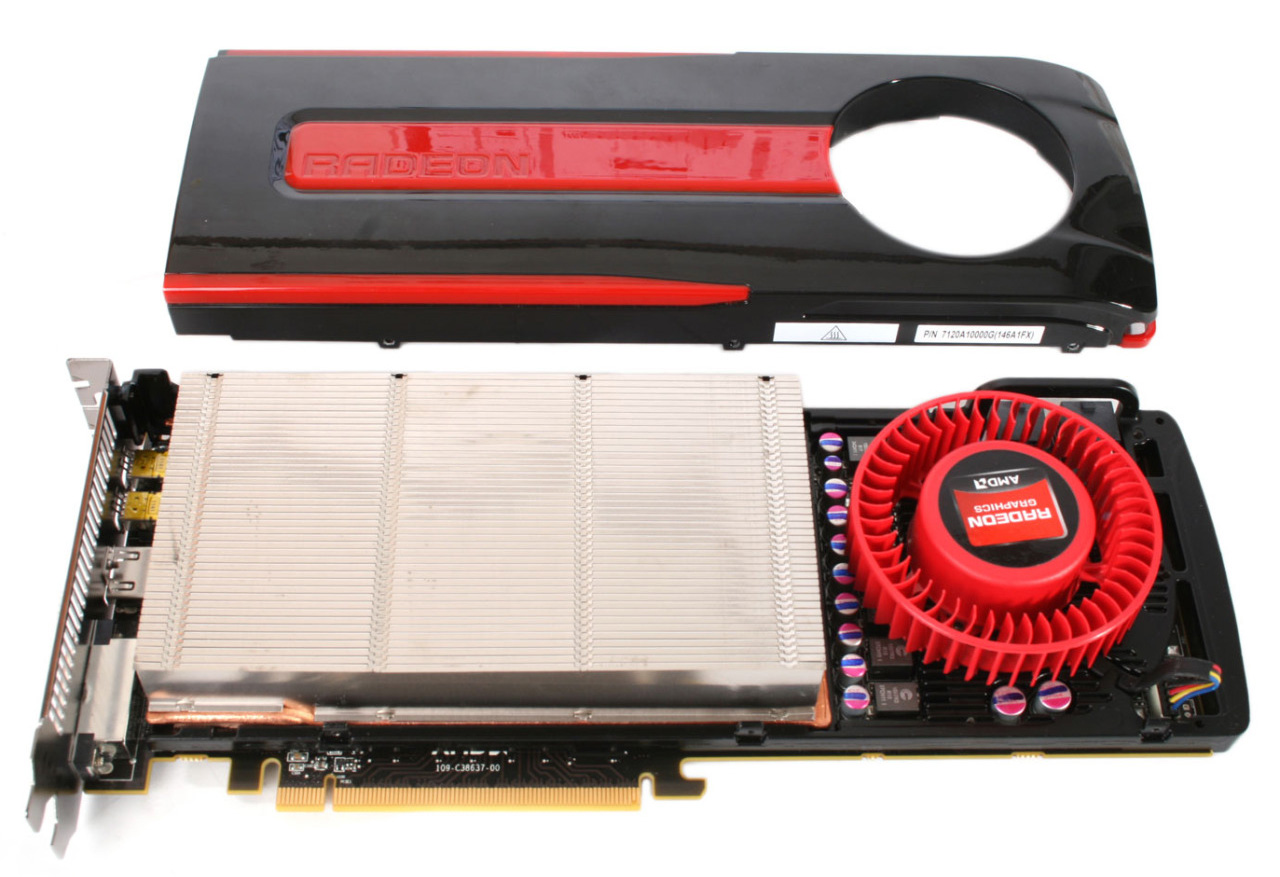
Mining Capabilities of the AMD HD 7950 Graphics Card
The AMD HD 7950 graphics card has gained recognition in the mining community for its versatile performance across various cryptocurrencies. Understanding its hashing capabilities and power consumption is crucial for miners who want to maximize their profits.
One of the most notable algorithms supported by the AMD HD 7950 is Lyra2REv2. This algorithm is particularly relevant for mining coins like Verge (XVG), Vertcoin (VTC), and MonaCoin (MONA). The HD 7950 achieves a mining hashrate of approximately 10. 3 gigahashes per second (GH/s) using this algorithm. This hashrate makes it a viable option for miners looking to profit from these cryptocurrencies, given the increasing popularity and market demand.
Another significant algorithm is DaggerHashimoto, which is used by Ethereum (ETH) and Ethereum Classic (ETC). The AMD HD 7950 can produce a hashrate of around 13. 86 GH/s for this algorithm, making it one of the go-to options for Ethereum miners. With Ethereum’s continued growth and the move towards proof-of-stake, many miners have turned their focus to maximize their profits before any potential changes take full effect.
The AMD HD 7950 also works efficiently with the Decred (DCR) algorithm, providing a hashrate of about 0. 78 GH/s. While this is lower compared to its performance in Lyra2REv2 and DaggerHashimoto, it still represents a noteworthy contribution to a diversified mining portfolio. Furthermore, it offers a modest 0. 56 kilohashes per second (kH/s) for the Cryptonight algorithm, which is used by Monero (XMR) and DigitalNote (XDN).
For those interested in mining Lbry (LBC), the HD 7950 yields a hashrate of 0. 05 GH/s. Additionally, it can mine using the Equihash algorithm, achieving around 250 solutions per second (Sol/s). This hashrate is beneficial for coins like Zcash (ZEC) and its forks. The Pascal algorithm, used primarily for PascalCoin (PASC), sees the card produce a hashrate of approximately 0. 5 GH/s, making it suitable for miners interested in this niche currency.
The AMD HD 7950 has the capacity to mine using the X11GOST algorithm, achieving a hashrate of about 1. 7 GH/s for Sibcoin (SIB). It is essential to consider that this card operates with a power consumption of 180 watts per hour.
The AMD HD 7950 is a versatile graphics card that supports multiple mining algorithms across different cryptocurrencies. Its competitive hashrates make it a viable choice for both beginner and experienced miners. With its ability to mine multiple coins efficiently, the AMD HD 7950 remains a relevant option in the ever-evolving landscape of cryptocurrency mining.
Summary of AMD HD 7950 Mining Hashrate :
- Lyra2REv2 [ (XVG) & (VTC) & (MONA) ] Mining Hashrate : 10.3 GH/s
- DaggerHashimoto [ EtHash : (ETH) & (ETC) ] Mining Hashrate : 13.86 GH/s
- Decred (DCR) Mining Hashrate : 0.78 GH/s
- Cryptonight [ (XMR) & (XDN) ] Mining Hashrate : 0.56 kH/s
- Lbry ( LBC ) Mining Hashrate : 0.05 GH/s
- Equihash [ (ZEC – ZEN – ZCL) & (BTG) & (KMD) & (HUSH) ] Mining Hashrate : 250 Sol/s
- Pascal [ (PASC) & (PASL) ] Mining Hashrate : 0.5 GH/s
- X11GOST [ Sibcoin (SIB) ] Mining Hashrate : 1.7 GH/s
Power Consumption : 180 Watt/Per Hour.

msi RTX 5070 12G Gaming Trio OC Graphics Card (12GB GDDR7, 192-bit, Extreme Performance: 2625 MHz, DisplayPort x3 2.1a, HDMI 2.1b, NVIDIA Blackwell Architecture)
$679.99 (as of 11/03/2026 13:57 GMT +03:00 - More infoProduct prices and availability are accurate as of the date/time indicated and are subject to change. Any price and availability information displayed on [relevant Amazon Site(s), as applicable] at the time of purchase will apply to the purchase of this product.)
Sparkle Intel Arc B570 Guardian OC Graphics Card, 10GB GDDR6, Torn Cooling 2.0, Axial Fan, Breathing Light, Metal Backplate, SB570G-10GOC
$227.88 (as of 11/03/2026 13:57 GMT +03:00 - More infoProduct prices and availability are accurate as of the date/time indicated and are subject to change. Any price and availability information displayed on [relevant Amazon Site(s), as applicable] at the time of purchase will apply to the purchase of this product.)
Uyubao GPU Support Bracket, Gpu Anti Sag Bracket, Graphics Card GPU Brace Support, Video Card Sag Holder Bracket, GPU Stand, S(30-60mm)
$5.99 (as of 11/03/2026 13:57 GMT +03:00 - More infoProduct prices and availability are accurate as of the date/time indicated and are subject to change. Any price and availability information displayed on [relevant Amazon Site(s), as applicable] at the time of purchase will apply to the purchase of this product.)
Graphics Card GPU Brace Support, Video Card Sag Holder Bracket, GPU Stand (L, 74-120mm)
$8.99 (as of 11/03/2026 13:57 GMT +03:00 - More infoProduct prices and availability are accurate as of the date/time indicated and are subject to change. Any price and availability information displayed on [relevant Amazon Site(s), as applicable] at the time of purchase will apply to the purchase of this product.)
XFX Radeon RX 580 GTS XXX Edition 1386MHz OC+, 8GB GDDR5, VR Ready, Dual BIOS, 3xDP HDMI DVI, AMD Graphics Card (RX-580P8DFD6)
$219.99 (as of 11/03/2026 13:57 GMT +03:00 - More infoProduct prices and availability are accurate as of the date/time indicated and are subject to change. Any price and availability information displayed on [relevant Amazon Site(s), as applicable] at the time of purchase will apply to the purchase of this product.)