
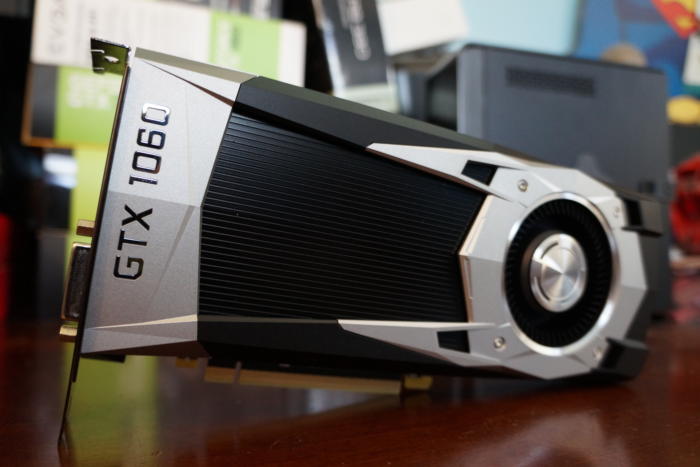
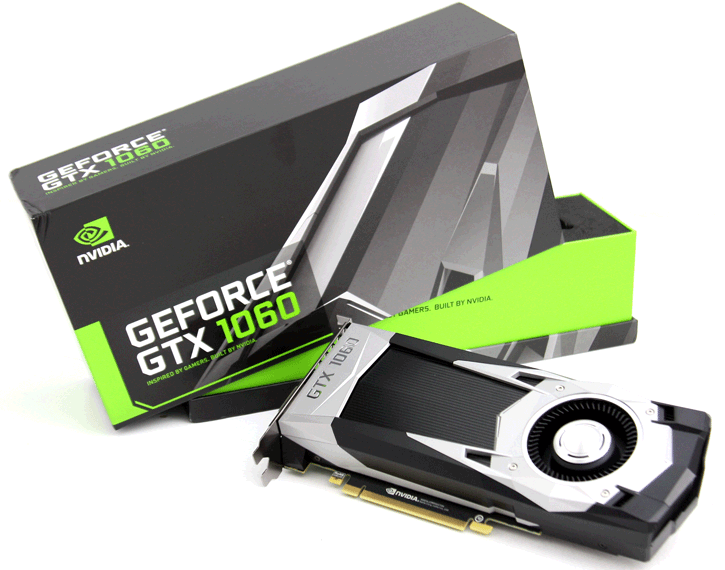
Nvidia GeForce GTX 1060 Specifications: An Overview
The Nvidia GeForce GTX 1060 series is a popular choice among gamers and computer enthusiasts. Launched in 2016, it utilizes the Pascal architecture, which marked a significant improvement over previous generations in terms of performance and efficiency. This post focuses on the specifications of the GTX 1060 models—specifically the 6GB and 3GB variants—and explores their capabilities, particularly in gaming and computational tasks.
The GTX 1060 6GB model features 1,280 CUDA cores. CUDA cores are essential for handling parallel processing tasks, which is especially beneficial in gaming and 3D rendering. This model has a boost clock speed of 1,708 MHz, allowing it to perform tasks efficiently. The 6GB frame buffer utilizes GDDR5 memory, which enhances the card’s ability to store and process graphics data, offering better performance in higher resolutions and more demanding games. This specification enables smooth gameplay at 1080p resolution, making it a reliable option for most modern gaming titles.
On the other hand, the GTX 1060 3GB variant has slightly reduced specifications, featuring 1,152 CUDA cores and the same boost clock speed of 1,708 MHz. While it also uses GDDR5 memory, the smaller 3GB frame buffer means it may struggle with more memory-intensive applications and games, particularly at higher resolutions or with greater texture quality settings. This model is still capable of delivering solid performance for casual gaming and less demanding applications.
The GTX 1060 has been widely adopted for various applications beyond gaming, including cryptocurrency mining. The hashing performance of the GTX 1060 6GB is particularly notable, as its substantial memory size allows for better efficiency in mining cryptocurrencies like Ethereum compared to the 3GB version. This versatility has kept the GTX 1060 relevant in a rapidly changing technology landscape, even years after its initial release.
The Nvidia GeForce GTX 1060 series, with its two main variants, has proven to be a commendable choice for users who seek solid performance for gaming and other tasks. The 6GB version stands out for its superior memory capacity, making it suitable for modern gaming, while the 3GB variant caters to budget-conscious consumers who still want respectable performance. Whether used for gaming or mining, the GTX 1060 continues to demonstrate the lasting impact of its Pascal architecture and specifications, symbolizing a significant step in GPU technology during its time.
Summary of the Nvidia Geforce GTX 1060 6GB Specifications :
- Architecture : Pascal
- CUDA Cores : 1280
- Boost Clock : 1708 MHz
- Frame Buffer : 6 GB GDDR5
Nvidia Geforce GTX 1060 3GB Specifications :
- Architecture : Pascal
- CUDA Cores : 1152
- Boost Clock : 1708 MHz
- Frame Buffer : 3 GB GDDR5
Even the old NVIDIA GTX 1660 is a mining GPU worth buying?
The NVIDIA GTX 1660 was just released at March 14, 2019. The median power consumption is 75W and it might generate more than 23 USD monthly income with a 21 MH/s hashrate on the Ethash algorithm (Phoenix). Mining performance can be lower compared to RX 570 8GB but still under 100 watts in our testing after tuning! Of course, these could also come from old cards that have been used for mining over five years ago which presents some obvious risks when buying them as well! However, if you want an efficient GPU miner then this card would work best because its efficiency has improved significantly lately NVIDIA GTX 1660 can be used as an altcoin mining card and will give you access into many popular cryptocurrencies like ZCoin, Ethereum Classic (ETC), Beam token bitcoin gold Aeternity zclassic etcIs 1660 Good for mining Ethereum?
6G RAM Version Mining Hashrate Explained
With its 6GB of RAM, this graphics card provides a good balance between performance and price, making it a favoured choice among miners. Understanding its mining hashrate across various algorithms is essential for anyone looking to maximize their cryptocurrency mining efforts.
Hashrate refers to the computational power of a miner, expressed in hashes per second. Different cryptocurrencies use different algorithms, and the GTX 1060 excels at several of these. For instance, when utilizing the KECCAK algorithm, the GTX 1060 can achieve an impressive hashrate of 580. 22 MH/s. This makes it suitable for mining cryptocurrencies that rely on KECCAK, offering miners a potential profit.
Another notable performance is seen with the NIST5 algorithm, particularly in mining Bulwark (BWK). The GTX 1060 produces hashrates of approximately 32 MH/s, demonstrating its capability in mining projects with lower resource demands yet still offering decent returns. Moreover, for cryptocurrencies utilizing the NeoScrypt algorithm, such as ORB, PXC, and FTC, the GTX 1060 reaches around 0. 75 MH/s. Although this is a lower hashrate compared to other algorithms, NeoScrypt is known for its lower power consumption, making it appealing for miners concerned about energy usage.
Additionally, the GTX 1060 shows promising capabilities when mining cryptocurrencies that use the Lyra2REv2 algorithm, such as Verge (XVG) and Vertcoin (VTC), with a hashrate of 30. 7 MH/s. This versatility highlights the GTX 1060’s broad adaptability across various mining scenarios, catering to miners with different preferences and strategies.
When considering Ethereum and Ethereum Classic, which utilize the DaggerHashimoto (EtHash) algorithm, the GTX 1060 can achieve around 24. 93 MH/s. Ethereum remains one of the most significant cryptocurrencies, and having a capable graphics card like the GTX 1060 for mining it can be a great investment.
In addition to these, the GTX 1060’s performance extends to other algorithms such as Cryptonight, achieving 0. 5 kH/s, and CryptoNightV7 with similar results. The Lbry coin, which is also gaining traction, can be mined at around 0. 21 GH/s using this graphics card.
The GTX 1060 is particularly effective when mining coins that utilize the Equihash algorithm, which is known for being resistant to ASIC mining. Coins such as Zcash (ZEC), ZenCash (ZEN), Zclassic (ZCL), Bitcoin Gold (BTG), Komodo (KMD), and Hush (HUSH) benefit from this algorithm. The GTX 1060 can achieve impressive hashrate in this category, registering around 345. 48 Sol/s. This means it can compute 345. 48 solutions per second, which is an efficient performance for miners looking to generate these specific cryptocurrencies.
Another popular algorithm is Pascal, which is utilized by coins like PascalCoin (PASC) and Paslcoin (PASL). For coins using the Pascal algorithm, the GTX 1060 delivers a hashrate of approximately 0. 725 GH/s. This represents 0. 725 gigahashes per second, indicating that the card can efficiently mine these assets, though the popularity and profitability of these coins can vary.
In addition to the Equihash and Pascal algorithms, the GTX 1060 also excels at mining Siacoin (SC), a cryptocurrency focused on decentralized storage. When mining Siacoin, the GTX 1060 achieves about 1. 32 GH/s, making it competitive for those interested in participating in the Sia network. The ability to work efficiently with multiple algorithms allows miners to utilize the GTX 1060 flexibly, switching between different cryptocurrencies based on market trends and profitability.
- Ethereum Mining Hashrate : 19 MH/s
OverClocking Hashrate : 24 MH/s
- Zcash Mining Hashrate : 295 sol/s
OverClocking Hashrate : 325 sol/s
- GTX 1060 6 GB Monero Mining Hashrate : 450 H/S
OverClocking Hashrate : 550 sol/s
Summary of the Nvidia Geforce GTX 1060 6G RAM Version :
- KECCAK Mining Hashrate : 580.22 MH/s
- NIST5 [ Bulwark (BWK) ] Mining Hashrate : 32 MH/s
- NeoScrypt [ (ORB) & (PXC) & (FTC) & (INN) & (GBX) & (TZC) & (VIVO) & (CRC) ] Mining Hashrate : 0.75 MH/s
- Lyra2REv2 [ (XVG) & (VTC) & (MONA) ] Mining Hashrate : 30.7 MH/s
- DaggerHashimoto [ EtHash : (ETH) & (ETC) ] Mining Hashrate : 24.93 MH/s
- Decred (DCR) Mining Hashrate : 2.11 GH/s
- Cryptonight [ (XMR) & (XDN) ] Mining Hashrate : 0.5 kH/s
- CryptoNightV7 Mining Hashrate : 0.5 KH/s
- Lbry ( LBC ) Mining Hashrate : 0.21 GH/s
- Equihash [ (ZEC – ZEN – ZCL) & (BTG) & (KMD) & (HUSH) ] Mining Hashrate : 345.48 Sol/s
- Pascal [ (PASC) & (PASL) ] Mining Hashrate : 0.725 GH/s
- SIACOIN (SC) Mining Hashrate : 1.32 GH/s
Mining Performance of the Nvidia GeForce GTX 1060 with 3GB RAM
The 3GB RAM version of this graphics card is notable for its varied mining performance across different algorithms used for cryptocurrency mining. Understanding its hash rates can help miners evaluate its efficiency for mining specific coins.
One of the primary algorithms used by the GTX 1060 is Keccak, which yields a hashrate of 452. 77 MH/s. This impressive rate makes the card suitable for mining various cryptocurrencies such as ORB, PXC, FTC, INN, GBX, TZC, VIVO, and CRC. The efficiency of the GTX 1060 in handling this algorithm signifies its potential for profitability, especially as the popularity of these smaller cryptocurrencies grows.
The card performs reasonably well with NeoScrypt, achieving a hashrate of 0. 57 MH/s. Although this may seem low compared to larger cryptocurrencies, NeoScrypt coins such as ORB and PXC are often mined due to their rising demand and the potential for profit. The performance in this segment showcases the card’s versatility and ability to adapt to various mining techniques.
Another algorithm supported by the GTX 1060 is Lyra2REv2, with a hashrate of 24. 14 MH/s, making it suitable for mining coins like XVG, VTC, and MONA. The card’s efficiency in this area demonstrates its capability to compete with other mining hardware, particularly for coins that utilize the Lyra2REv2 algorithm.
When it comes to DaggerHashimoto, which includes Ethereum (ETH) and Ethereum Classic (ETC), the GTX 1060 achieves a respectable 19. 86 MH/s. Despite the increasing difficulty associated with mining these coins, this performance level allows miners with the GTX 1060 to partake in the Ethereum network effectively, even amid fierce competition.
The GTX 1060 also manages to mine Decred (DCR) with a rate of 1. 66 GH/s and Cryptonight coins, like XMR and XDN, at 0. 42 kH/s. While its performance in these categories shows variability, it highlights the card’s adaptability across a range of mining algorithms.
When mining Siacoin (SC), a cryptocurrency specifically designed for decentralized storage, the GTX 1060 can achieve a hashrate of about 1. 02 GH/s. This indicates the number of calculations the graphics card can perform per second, which is critical in the competitive environment of cryptocurrency mining. A higher hashrate helps miners solve complex algorithms more quickly, leading to higher rewards.
Similarly, when mining cryptocurrencies that utilize hashing algorithms like Blake2s, the GTX 1060 can achieve impressive performance, reaching a hashrate of around 2. 38 GH/s. This capability showcases the versatility of the GTX 1060 in handling different mining types, which is advantageous for miners who diversify their portfolios across various coins and tokens. The ability to adjust mining strategies based on a card’s performance can maximize returns and hedges against the volatility of individual cryptocurrencies.
The Pascal architecture brings significant advancements in energy efficiency. The GTX 1060 consumes less power compared to its predecessors, allowing miners to operate their rigs for extended periods without incurring astronomical electricity bills. This factor is crucial since electricity costs often can exceed the earnings from mining, especially during periods of low cryptocurrency prices. With the GTX 1060’s efficiency, miners can achieve a better return on investment, making it a sensible choice for those starting in the mining realm.
In recent years, the cryptocurrency market has been characterized by fluctuations; however, demand for hardware like the GTX 1060 remains steady, especially among new miners. While some may argue that newer models provide better performance, the GTX 1060 continues to hold its ground due to its cost-effectiveness and availability.
The Nvidia GeForce GTX 1060 with 3GB of RAM has proven to be a reliable option for cryptocurrency mining, offering decent performance across multiple algorithms. Its versatility makes it appealing for miners looking to explore various coins while managing costs effectively. For high school students interested in technology and cryptocurrency, the GTX 1060 exemplifies how hardware can be optimized for diverse applications.
Nvidia Geforce GTX 1060 3G RAM Version :
- KECCAK Mining Hashrate : 452.77 MH/s
- NeoScrypt [ (ORB) & (PXC) & (FTC) & (INN) & (GBX) & (TZC) & (VIVO) & (CRC) ] Mining Hashrate : 0.57 MH/s
- Lyra2REv2 [ (XVG) & (VTC) & (MONA) ] Mining Hashrate : 24.14 MH/s
- DaggerHashimoto [ EtHash : (ETH) & (ETC) ] Mining Hashrate : 19.86 MH/s
- Decred (DCR) Mining Hashrate : 1.66 GH/s
- Cryptonight [ (XMR) & (XDN) ] Mining Hashrate : 0.42 kH/s
- CryptoNightV7 Mining Hashrate : 0.42 KH/s
- Lbry ( LBC ) Mining Hashrate : 0.17 GH/s
- Equihash [ (ZEC – ZEN – ZCL) & (BTG) & (KMD) & (HUSH) ] Mining Hashrate : 277.11 Sol/s
- Pascal [ (PASC) & (PASL) ] Mining Hashrate : 0.57 GH/s
- SIACOIN (SC) Mining Hashrate : 1.02 GH/s
- BLAKE2S Mining Hashrate : 2.38 GH/s
GTX 1060 OverClocking Settings :
- Power :
- Ethereum : 65%
- Zcash : 85%
- Monero : 85%
- Core : +100
- Memory : +925
Power Consumption : 180 Watt/Per Hour
Price : Amazon GeForce GTX 1060 6GB
$585.08
XFX Radeon RX 580 GTS XXX Edition 1386MHz OC+, 8GB GDDR5, VR Ready, Dual BIOS, 3xDP HDMI DVI, AMD Graphics Card (RX-580P8DFD6)
$219.99 (as of 11/03/2026 12:57 GMT +02:00 - More infoProduct prices and availability are accurate as of the date/time indicated and are subject to change. Any price and availability information displayed on [relevant Amazon Site(s), as applicable] at the time of purchase will apply to the purchase of this product.)
XFX Radeon RX 7900XT Gaming Graphics Card with 20GB GDDR6, AMD RDNA 3 RX-79TMBABF9
$699.99 (as of 11/03/2026 12:57 GMT +02:00 - More infoProduct prices and availability are accurate as of the date/time indicated and are subject to change. Any price and availability information displayed on [relevant Amazon Site(s), as applicable] at the time of purchase will apply to the purchase of this product.)
ASUS Dual GeForce RTX™ 5060 8GB GDDR7 OC Edition (PCIe 5.0, 8GB GDDR7, DLSS 4, HDMI 2.1b, DisplayPort 2.1b, 2.5-Slot Design, Axial-tech Fan Design, 0dB Technology, and More)
$369.99 (as of 11/03/2026 12:57 GMT +02:00 - More infoProduct prices and availability are accurate as of the date/time indicated and are subject to change. Any price and availability information displayed on [relevant Amazon Site(s), as applicable] at the time of purchase will apply to the purchase of this product.)
ASRock Radeon RX 9060 XT Challenger 16GB GDDR6 OC Graphics Card | 3300 MHz Boost | Dual Fan | 0dB Cooling | Metal Backplate | PCIe 5.0 | DisplayPort 2.1a, HDMI 2.1b
$469.99 (as of 11/03/2026 12:57 GMT +02:00 - More infoProduct prices and availability are accurate as of the date/time indicated and are subject to change. Any price and availability information displayed on [relevant Amazon Site(s), as applicable] at the time of purchase will apply to the purchase of this product.)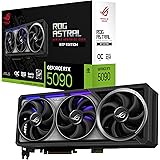
ASUS ROG Astral GeForce RTX 5090 BTF OC Edition, 32GB GDDR7, 3.8-Slot, 1000W Support
$4,191.55 (as of 11/03/2026 12:57 GMT +02:00 - More infoProduct prices and availability are accurate as of the date/time indicated and are subject to change. Any price and availability information displayed on [relevant Amazon Site(s), as applicable] at the time of purchase will apply to the purchase of this product.)