

The Nvidia GeForce GTX 1050, released in 2016, occupies a significant position in the history of graphics processing units (GPUs). It emerged as a budget-friendly option, offering a compelling blend of performance and efficiency. Designed for mainstream users and budget-conscious gamers, the GTX 1050 provided access to modern gaming experiences without requiring a high-end system or a significant financial investment. Its impact extended beyond gaming, influencing areas like cryptocurrency mining due to its power efficiency.
Core Specifications: A Technical Overview
The GTX 1050’s architecture is based on Nvidia’s Pascal architecture. Key specifications include 640 CUDA cores, a base clock of 1354 MHz, and a boost clock of 1455 MHz. The card features a 128-bit memory interface width and 2 GB of GDDR5 memory. This configuration allows for a memory bandwidth of 112 GB/sec and a memory speed of 7 Gbps. These specifications define the card’s capabilities in processing graphical data, impacting gaming performance and other computationally intensive tasks.
Gaming Performance: A Balanced Approach
The GTX 1050 was designed to deliver a smooth gaming experience at 1080p resolution with medium to high settings in many popular titles. While it may not handle the most demanding games at ultra settings, its performance was considered impressive for its price point. The card provided a significant upgrade for users with older systems or integrated graphics, enabling them to play modern games with acceptable frame rates and visual quality. Its efficiency also meant that it could be used in smaller form factor PCs without requiring extensive cooling solutions.
Cryptocurrency Mining: A Niche Application
Beyond gaming, the GTX 1050 found a niche in cryptocurrency mining. Its power efficiency made it an attractive option for mining algorithms that rely more on GPU processing power than memory bandwidth. Mining hash rates for different cryptocurrencies varied, with Zcash achieving around 138 sol/s and overclocked settings pushing it to 155 sol/s. Other algorithms like NeoScrypt, Lyra2REv2, and Decred also saw measurable hash rates. However, compared to higher-end cards, the GTX 1050’s mining capabilities were limited by its memory and processing power, making it more suitable for smaller-scale or hobbyist mining operations.
Power Consumption: Efficiency as a Key Feature
One of the defining characteristics of the GTX 1050 is its low power consumption. With a typical power draw of around 50 watts per hour, it stands out as an energy-efficient option. This low power consumption translates to lower electricity bills and reduced heat output, making it ideal for users concerned about energy costs or those with limited cooling capabilities in their systems. The card’s efficiency also allowed it to be powered directly from the PCI Express slot in many cases, eliminating the need for an external power connector.
Overclocking: Pushing Performance Limits
The GTX 1050 offers overclocking potential, allowing users to push its performance beyond factory settings. By increasing the core clock and memory clock speeds, users can achieve higher frame rates in games and improved performance in other applications. However, overclocking requires careful monitoring of temperatures and stability to avoid damaging the card. With optimized settings, the GTX 1050 can deliver noticeable performance gains, extending its usefulness and competitiveness.
Impact on the GPU Market: Democratizing Gaming
The GTX 1050 played a role in making PC gaming more accessible. Its affordable price point allowed a broader audience to experience modern games and technologies. It filled a crucial gap in the market, providing a balanced option between integrated graphics and high-end GPUs. The card’s popularity also influenced other manufacturers to develop similar budget-friendly options, further democratizing gaming.
Technological Context: Pascal Architecture
The GTX 1050 is based on Nvidia’s Pascal architecture, which brought improvements in performance, efficiency, and features compared to previous generations. Pascal introduced advancements such as improved memory compression, simultaneous multi-projection, and support for DirectX 12. These technologies enhanced the card’s capabilities, enabling it to deliver better performance in modern games and applications.
Influential Individuals: The Architects of Pascal
The development of the Pascal architecture involved contributions from many engineers and designers at Nvidia. While it is difficult to single out specific individuals, Jen-Hsun Huang, the CEO of Nvidia, played a crucial role in guiding the company’s technological direction and investment in Pascal. The team responsible for designing and implementing the architecture deserves recognition for their innovation and expertise.
Comparison with Competitors: AMD’s Response
The GTX 1050 competed directly with AMD’s Radeon RX series of cards. The RX 460 and RX 560 were positioned as competitors to the GTX 1050, offering similar performance at comparable price points. These cards had their strengths and weaknesses, with some excelling in certain games or applications. The competition between Nvidia and AMD benefited consumers by driving innovation and lowering prices.
User Perspectives: A Balanced View
User reviews and feedback on the GTX 1050 have generally been positive, with many praising its value for money, power efficiency, and ability to play modern games at reasonable settings. Some users have noted its limitations in handling very demanding games or high resolutions, but overall, it has been well-received by its target audience. Its compact size and low power requirements have also made it popular among users building small form factor PCs.
Potential Future Developments: Successors and Innovations
While the GTX 1050 is now several years old, its legacy continues to influence the development of budget-friendly GPUs. Nvidia and AMD continue to release new generations of cards that offer improved performance and efficiency at similar price points. Future developments may include advancements in architecture, memory technology, and manufacturing processes, leading to even more capable and affordable GPUs.
Environmental Impact: A Green Option
The GTX 1050’s low power consumption contributes to its environmental friendliness. By using less electricity, it reduces carbon emissions and lowers the overall environmental impact of PC gaming. As concerns about climate change grow, the efficiency of GPUs will become increasingly important, driving manufacturers to develop even more energy-efficient designs.
The Role of Software: Drivers and Optimization
Software plays a critical role in the performance and functionality of the GTX 1050. Nvidia’s drivers provide the interface between the card and the operating system, enabling it to function correctly and deliver optimal performance. Regular driver updates often include optimizations for new games and applications, improving performance and fixing bugs. The quality of software support is an important factor in the overall user experience.
A Lasting Legacy
The Nvidia GeForce GTX 1050 stands as a testament to the idea that powerful and modern gaming experiences can be delivered without breaking the bank. Its blend of Pascal architecture, efficient design, and accessible price point democratized PC gaming and influenced the budget GPU market. While newer cards offer greater performance, the GTX 1050 remains a relevant piece of hardware history, showcasing how innovation can make technology accessible to a wider audience. Its low power consumption also set a standard for efficiency, contributing to a more environmentally conscious approach to gaming. The GTX 1050’s legacy extends beyond its technical specifications; it represents a shift towards more affordable and accessible gaming solutions, paving the way for future developments in the GPU market. As technology continues to evolve, the principles of efficiency and affordability embodied by the GTX 1050 will continue to guide the development of graphics cards, ensuring that gaming remains accessible to all.
Nvidia Geforce GTX 1050 Specifications :
- NVIDIA CUDA® Cores : 640
- Base Clock : 1354 MHz
- Boost Clock : 1455 MHz
- Memory Interface Width : 128-bit
- Memory Bandwidth : 112 GB/sec
- Memory Speed : 7 Gbps
- Standard Memory Config : 2 GB GDDR5
Nvidia Geforce GTX 1050 Hashrate :
- Zcash Mining Hashrate : 138 sol/s
OverClocking Hashrate : 155 sol/s using this settings :
- Core Boost +190
- Memory Boost +280
- NeoScrypt [ (ORB) & (PXC) & (FTC) & (INN) & (GBX) & (TZC) & (VIVO) & (CRC) ] Mining Hashrate : 0.29 MH/s
- Lyra2REv2 [ (XVG) & (VTC) & (MONA) ] Mining Hashrate : 10.9 MH/s
- Decred (DCR) Mining Hashrate : 0.85 GH/s
- Cryptonight [ (XMR) & (XDN) ] Mining Hashrate : 0.3 kH/s
- CryptoNightV7 Mining Hashrate : 0.243 KH/s
- Lbry ( LBC ) Mining Hashrate : 0.09 GH/s
- Equihash [ (ZEC – ZEN – ZCL) & (BTG) & (KMD) & (HUSH) ] Mining Hashrate : 143.76 Sol/s
- Pascal [ (PASC) & (PASL) ] Mining Hashrate : 0.28 GH/s
- X11GOST [ Sibcoin (SIB) ] Mining Hashrate : 4 MH/s
Power Consumption : 50 watt/per hour
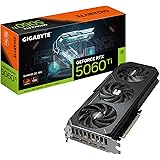
GIGABYTE GeForce RTX 5060 Ti Gaming OC 16G Graphics Card, by NVIDIA,16GB 128-bit GDDR7, PCIe 5.0, WINDFORCE Cooling System,DisplayPort & HDMI - Video Output Interface,GV-N506TGAMING OC-16GD Video Card
$549.99 (as of 11/03/2026 12:57 GMT +02:00 - More infoProduct prices and availability are accurate as of the date/time indicated and are subject to change. Any price and availability information displayed on [relevant Amazon Site(s), as applicable] at the time of purchase will apply to the purchase of this product.)
ASUS Dual NVIDIA GeForce RTX 3050 6GB OC Edition Gaming Graphics Card - PCIe 4.0, 6GB GDDR6 Memory, HDMI 2.1, DisplayPort 1.4a, 2-Slot Design, Axial-tech Fan Design, 0dB Technology, Steel Bracket
$239.99 (as of 11/03/2026 12:57 GMT +02:00 - More infoProduct prices and availability are accurate as of the date/time indicated and are subject to change. Any price and availability information displayed on [relevant Amazon Site(s), as applicable] at the time of purchase will apply to the purchase of this product.)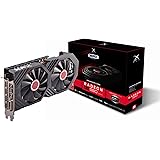
XFX Radeon RX 580 GTS XXX Edition 1386MHz OC+, 8GB GDDR5, VR Ready, Dual BIOS, 3xDP HDMI DVI, AMD Graphics Card (RX-580P8DFD6)
$219.99 (as of 11/03/2026 12:57 GMT +02:00 - More infoProduct prices and availability are accurate as of the date/time indicated and are subject to change. Any price and availability information displayed on [relevant Amazon Site(s), as applicable] at the time of purchase will apply to the purchase of this product.)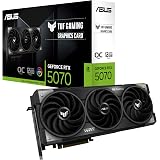
ASUS TUF GeForce RTX™ 5070 12GB GDDR7 OC Edition Graphics Card, NVIDIA, Desktop (PCIe® 5.0, HDMI®/DP 2.1, 3.125-Slot, Military-Grade Components, Protective PCB Coating, Axial-tech Fans)
$762.08 (as of 11/03/2026 12:57 GMT +02:00 - More infoProduct prices and availability are accurate as of the date/time indicated and are subject to change. Any price and availability information displayed on [relevant Amazon Site(s), as applicable] at the time of purchase will apply to the purchase of this product.)
ASRock Intel Arc A380 Challenger ITX 6GB OC Graphics Card | Single Slot ITX | 2250 MHz | 6GB GDDR6 | DisplayPort 2.0 | HDMI 2.0b | 0dB Cooling | 8K Support | 500W | DirectX 12 Ultimate | PCle 4.0
$139.99 (as of 11/03/2026 12:57 GMT +02:00 - More infoProduct prices and availability are accurate as of the date/time indicated and are subject to change. Any price and availability information displayed on [relevant Amazon Site(s), as applicable] at the time of purchase will apply to the purchase of this product.)