

The Rise and Fall of the AMD Vega Frontier Edition in Cryptocurrency Mining
This post explains the brief but impactful role of the AMD Vega Frontier Edition (FE) graphics card in the cryptocurrency mining boom of the late 2010s, examining its specifications, mining performance, the factors that contributed to its initial popularity, and its subsequent decline. It also considers the broader implications of this episode for the cryptocurrency market and the GPU industry.
The Vega Frontier Edition: A Powerful but Fleeting Mining Contender
Released in June 2017, the AMD Vega Frontier Edition was initially marketed as a professional workstation card, targeting users in fields like data science, machine learning, and content creation. Its high-end specifications included 4096 GPU cores, a base clock of 1382 MHz and a boost clock of 1600 MHz. A 2048-bit HBM2 memory interface provided a substantial 483 GB/s of memory bandwidth, complemented by 16 GB of memory clocked at 1890 MHz. The liquid cooled version was particularly sought after by miners for its superior thermal management.
These specifications, while impressive for professional applications, also caught the attention of cryptocurrency miners, particularly those focused on Ethereum (ETH), Zcash, and Monero. The Vega FE’s high memory bandwidth and core count made it a potentially attractive option for mining algorithms that heavily relied on these features.
Early Adoption and Mining Performance
Soon after its release, miners began experimenting with the Vega FE, discovering its potential for cryptocurrency mining. Its raw performance was quickly recognized, and with specific drivers, such as the Adrenalin/Blockchain Beta drivers, users could optimize the card for mining. This optimization process involved tweaking HBM timings, voltages, and fan curves to maximize hashrate while managing power consumption and heat.
In its stock configuration, the Vega FE could achieve an Ethereum mining hashrate of around 32 MH/s. Through overclocking, this could be pushed to approximately 37 MH/s. Similarly, for Zcash, the card could achieve 440 sol/s, which could be increased to 489 sol/s through overclocking. Monero mining saw hashrates of 1850 H/s, with overclocking pushing it to 2100 H/s.
However, this performance came at a cost. The Vega FE was known for its high power consumption, drawing up to 300 watts. This necessitated robust cooling solutions, making the liquid cooled version particularly popular among miners who aimed to run their cards 24/7 without thermal throttling.
The Mining Boom and Vega FE’s Rise to Prominence
The late 2017 and early 2018 period witnessed a significant surge in cryptocurrency prices, most notably for Ethereum. This surge dramatically increased the profitability of mining, making even power-hungry cards like the Vega FE viable for achieving a return on investment (ROI). The card’s excellent memory specifications and reasonable hashrate when tweaked made it a popular choice among both enthusiasts and high budget miners looking to capitalize on the crypto boom.
Large mining farms began incorporating Vega FE cards into their setups, taking advantage of their performance to generate revenue. While not as efficient as some dedicated mining ASICs (Application Specific Integrated Circuits), the Vega FE offered a balance of performance and availability, making it an attractive option for miners seeking to expand their operations.
The Market Crash and Vega FE’s Decline
The cryptocurrency market is known for its volatility, and the boom of 2017 and early 2018 was followed by a significant crash. As ETH and other coin prices plummeted, the profitability of mining dropped sharply. This downturn had a significant impact on the viability of power-hungry cards like the Vega FE.
With electricity costs remaining constant, the reduced revenue from mining made it increasingly difficult to justify the high-power consumption of the Vega FE. Miners began to dump their cards, flooding the market with used Vega FEs and driving down prices.
Long-Term Implications and Lessons Learned
The Vega FE’s brief but impactful stint as a mining card provides several valuable insights into the cryptocurrency market and the GPU industry:
- Market Volatility: The cryptocurrency market’s inherent volatility can quickly transform a profitable mining operation into a losing venture. The Vega FE’s story underscores the importance of considering risk and potential market fluctuations when investing in mining hardware.
- Power Efficiency Matters: Power consumption is a critical factor in mining profitability. As cryptocurrency prices fluctuate, more efficient hardware becomes essential for maintaining profitability. The Vega FE’s high power consumption ultimately contributed to its decline as mining profitability decreased.
- Driver Optimization: The need for specific drivers and manual tweaking to optimize the Vega FE for mining highlights the importance of software support and optimization in maximizing hardware performance.
- Impact on the GPU Market: The cryptocurrency mining boom placed significant strain on the GPU market, leading to shortages and price increases. This episode demonstrated the impact that cryptocurrency mining can have on the broader hardware market.
Present Scenario
As of recent years, the Vega FE is no longer a competitive option for cryptocurrency mining. Newer GPUs designed specifically for mining, such as Nvidia’s CMP (Cryptocurrency Mining Processor) series and AMD’s own Radeon RX 6000 series, offer significantly better hashrates and power efficiency. These cards are optimized for mining algorithms and consume less power, making them far more profitable for miners.
The AMD Vega Frontier Edition’s journey from a professional workstation card to a cryptocurrency mining tool and back again is a fascinating case study in the dynamics of the cryptocurrency market and the GPU industry. While its high specifications and mining performance made it an attractive option during the mining boom, its high-power consumption and the subsequent market crash led to its decline. The Vega FE’s story serves as a reminder of the volatility of the cryptocurrency market, the importance of power efficiency, and the impact that cryptocurrency mining can have on the broader hardware market.
AMD Vega Frontier Edition (FE) Liquid Cooled Specifications :
- GPU Cores : 4096
- Base Clock : 1382 MHz
- Boost Clock : 1600 MHz
- Memory Interface : 2048-bit HBM2
- Memory Bandwidth : 483 GB/s
- Memory : 16GB
- Memory Clock : 1890 MHz

Ethereum Mining Hashrate : 32MH/s
OverClocking Hashrate : 37 MH/s
Zcash Mining Hashrate : 440 sol/s
OverClocking Hashrate : 489 sol/s
Monero Mining Hashrate : 1850 H/S
OverClocking Hashrate : 2100 sol/s
AMD Vega Frontier Edition (FE) Liquid Cooled OverClocking Settings :
- Voltage : -20%
- Core :
- Ethereum : 1100
- Zcash : 1500
- Monero : 1500
- Memory : 1100
Power Consumption : 300 Watts/Per Hour
Price : 1200-1500$

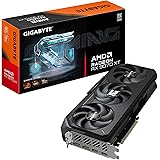
GIGABYTE Radeon RX 9070 XT Gaming OC 16G Graphics Card, PCIe 5.0, 16GB GDDR6, GV-R9070XTGAMING OC-16GD Video Card
$739.99 (as of 11/03/2026 12:57 GMT +02:00 - More infoProduct prices and availability are accurate as of the date/time indicated and are subject to change. Any price and availability information displayed on [relevant Amazon Site(s), as applicable] at the time of purchase will apply to the purchase of this product.)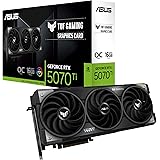
ASUS TUF GeForce RTX™ 5070 Ti 16GB GDDR7 OC Edition Graphics Card, NVIDIA, Desktop (PCIe® 5.0, HDMI®/DP 2.1, 3.125-Slot, Military-Grade Components, Protective PCB Coating, Axial-tech Fans)
$1,069.99 (as of 11/03/2026 12:57 GMT +02:00 - More infoProduct prices and availability are accurate as of the date/time indicated and are subject to change. Any price and availability information displayed on [relevant Amazon Site(s), as applicable] at the time of purchase will apply to the purchase of this product.)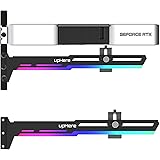
upHere 5V 3PIN Addressable RGB Graphics Card GPU Brace Support Video Card Sag Holder,Built-in 5V ARGB Strip,Adjustable Length and Height Support,G276ARGB
$15.99 (as of 11/03/2026 12:57 GMT +02:00 - More infoProduct prices and availability are accurate as of the date/time indicated and are subject to change. Any price and availability information displayed on [relevant Amazon Site(s), as applicable] at the time of purchase will apply to the purchase of this product.)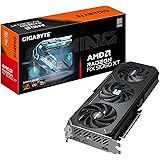
GIGABYTE Radeon RX 9060 XT Gaming OC 16G Graphics Card, PCIe 5.0, 16GB GDDR6, GV-R9060XTGAMING OC-16GD Video Card
$459.99 (as of 11/03/2026 12:57 GMT +02:00 - More infoProduct prices and availability are accurate as of the date/time indicated and are subject to change. Any price and availability information displayed on [relevant Amazon Site(s), as applicable] at the time of purchase will apply to the purchase of this product.)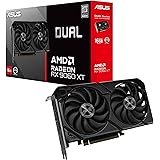
ASUS Dual Radeon™ RX 9060 XT 16GB GDDR6 Graphics Card (PCIe 5.0, HDMI 2.1b, DisplayPort 2.1a, 2.5-Slot Design, Axial-tech Fan Design, 0dB Technology, and More)
$489.99 (as of 11/03/2026 12:57 GMT +02:00 - More infoProduct prices and availability are accurate as of the date/time indicated and are subject to change. Any price and availability information displayed on [relevant Amazon Site(s), as applicable] at the time of purchase will apply to the purchase of this product.)