

The Bitmain Antminer R4, released in 2016, represented a significant step forward in the evolution of Bitcoin mining hardware. This post will delve into the technical specifications of the Antminer R4, analyze its impact on the Bitcoin mining landscape, explore the innovations it introduced, and consider its place in the broader history of cryptocurrency mining technology.
Technical Overview
The Antminer R4 was characterized by its custom-designed architecture, built around 126 BM1387 chips. These chips were manufactured using TSMC’s 16nm FinFET technology. This choice of fabrication process was critical. It allowed for a higher density of transistors and improved energy efficiency compared to earlier mining hardware.
The control board of the Antminer R4 employed the Xilinx ZYNQ-7000 system-on-a-chip (SoC). This SoC integrated a dual-core ARM Cortex-A9 processor and a 28nm Xilinx programmable logic (PL) unit. This combination provided both processing power and flexibility. It also ensured efficient management of the mining process. The inclusion of Gigabit Ethernet connectivity allowed for rapid submission of mined blocks to the Bitcoin network.
In terms of performance, the Antminer R4 boasted a hash rate of 8. 6 TH/s (terahashes per second). It consumed approximately 845 watts of power per hour, resulting in a power efficiency of 0. 098 J/GH (joules per gigahash). These specifications placed the Antminer R4 among the more efficient miners available at the time.
One of the most distinctive features of the Antminer R4 was its focus on noise reduction. Mining hardware traditionally generated significant noise due to the high-speed fans required for cooling. The R4’s design team drew inspiration from the “fan” of silent split air conditioners. They developed a custom cooling system that significantly reduced noise levels. The Antminer R4 operated at a noise level of approximately 52 dB. This made it suitable for home use.
Impact on the Bitcoin Mining Landscape
The Antminer R4 had a notable impact on the Bitcoin mining landscape. Its combination of relatively high hash rate and reduced noise output made it an attractive option for individual miners and smaller mining operations. Prior to the R4, many miners were limited by the noise produced by their equipment. This often forced them to locate their operations in remote areas or specialized facilities. The R4 allowed miners to operate in residential or office environments, expanding accessibility to Bitcoin mining.
The Antminer R4 also contributed to the ongoing centralization of Bitcoin mining. While it was marketed toward individual users, its efficiency and performance made it a competitive option for larger mining farms as well. The increased availability of powerful mining hardware like the R4 accelerated the trend of mining power consolidating in the hands of a few large entities. This trend has remained a subject of concern within the Bitcoin community.
Innovations and Technological Advancements
The Antminer R4 incorporated several key innovations that distinguished it from previous generations of Bitcoin mining hardware. The use of TSMC’s 16nm FinFET technology represented a significant advancement in chip manufacturing. It enabled a substantial increase in processing power and energy efficiency. This improvement was crucial for the economic viability of Bitcoin mining.
The integration of the Xilinx ZYNQ-7000 SoC provided greater flexibility and control over the mining process. This allowed for more efficient allocation of resources and improved overall performance. The custom-designed cooling system was a major innovation. It addressed one of the most significant challenges associated with Bitcoin mining. The reduction in noise levels made it possible for miners to operate in a wider range of environments.
The Evolution of Bitcoin Mining Technology
The Antminer R4 represents a specific point in the ongoing evolution of Bitcoin mining technology. In the early days of Bitcoin, mining could be performed using standard desktop computers. As the network grew and the difficulty of mining increased, specialized hardware known as ASICs (Application-Specific Integrated Circuits) became necessary.
Bitmain emerged as one of the dominant players in the ASIC mining hardware market. The company released a series of Antminer models. Each generation offered improved performance and efficiency. The Antminer R4 built upon the foundation laid by earlier models. It pushed the boundaries of what was possible in terms of performance, energy efficiency, and noise reduction.
Since the release of the Antminer R4, Bitcoin mining technology has continued to evolve. Newer generations of ASICs have utilized even more advanced fabrication processes. These include 7nm and 5nm technologies. This has resulted in further increases in hash rate and energy efficiency. Mining hardware manufacturers have also explored alternative cooling methods, such as immersion cooling, to manage the heat generated by high-performance ASICs.
Perspectives and Analysis
The Antminer R4 can be viewed from a variety of perspectives. From a technological standpoint, it represented a significant achievement in terms of hardware design and engineering. Its combination of performance, efficiency, and noise reduction was impressive for its time.
From an economic perspective, the Antminer R4 contributed to the profitability of Bitcoin mining. Its efficiency allowed miners to generate more Bitcoin with less electricity. However, the increasing difficulty of mining and the fluctuating price of Bitcoin meant that the profitability of mining remained subject to market conditions.
From a social and environmental perspective, the Antminer R4 raised questions about the sustainability of Bitcoin mining. The energy consumption associated with mining has been a subject of ongoing debate. Critics have argued that the environmental impact of Bitcoin mining is too high. Proponents have argued that mining can be powered by renewable energy sources and that the benefits of Bitcoin outweigh the environmental costs.
Future Developments
The future of Bitcoin mining technology is likely to be shaped by several factors. Advances in chip manufacturing will continue to drive improvements in hash rate and energy efficiency. New cooling methods will be developed to manage the heat generated by high-performance ASICs.
The environmental impact of Bitcoin mining will remain a key concern. There will be increased pressure on miners to use renewable energy sources and adopt more sustainable practices. The development of more energy-efficient mining algorithms could also help to reduce the overall energy consumption of the Bitcoin network.
The ongoing centralization of Bitcoin mining is another important issue. There may be efforts to develop more decentralized mining protocols. These protocols could make it more difficult for large mining farms to dominate the network.
The Bitmain Antminer R4 was a significant milestone in the evolution of Bitcoin mining hardware. Its combination of performance, efficiency, and noise reduction made it a popular choice for both individual miners and larger mining operations. The Antminer R4 also contributed to the ongoing debate about the sustainability and centralization of Bitcoin mining. As Bitcoin technology continues to evolve, it is likely that future generations of mining hardware will build upon the innovations introduced by the Antminer R4. These future technologies will address the challenges associated with energy consumption and decentralization.

Bitcoin Mining Hashrate : 8600 GH/S
Power Consumption : 845 Watt/Per Hour
Power Efficacy : 0.098 J/GH
Noise level : 52 db
Fans have long been the single biggest source of noise in most bitmain bitcoin miners. The R4’s design team found a unique solution Inspired by the “fan” of a silent split air conditioner.
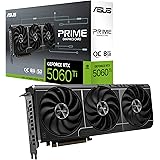
ASUS The SFF-Ready Prime GeForce RTX™ 5060 Ti 8GB GDDR7 OC Edition Graphics Card (PCIe® 5.0, 8GB GDDR7, HDMI®/DP 2.1, 2.5-Slot, Axial-tech Fans, Dual BIOS)
$415.99 (as of 11/03/2026 13:57 GMT +03:00 - More infoProduct prices and availability are accurate as of the date/time indicated and are subject to change. Any price and availability information displayed on [relevant Amazon Site(s), as applicable] at the time of purchase will apply to the purchase of this product.)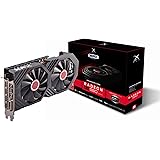
XFX Radeon RX 580 GTS XXX Edition 1386MHz OC+, 8GB GDDR5, VR Ready, Dual BIOS, 3xDP HDMI DVI, AMD Graphics Card (RX-580P8DFD6)
$219.99 (as of 11/03/2026 13:57 GMT +03:00 - More infoProduct prices and availability are accurate as of the date/time indicated and are subject to change. Any price and availability information displayed on [relevant Amazon Site(s), as applicable] at the time of purchase will apply to the purchase of this product.)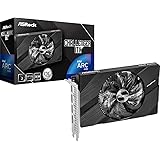
ASRock Intel Arc A380 Challenger ITX 6GB OC Graphics Card | Single Slot ITX | 2250 MHz | 6GB GDDR6 | DisplayPort 2.0 | HDMI 2.0b | 0dB Cooling | 8K Support | 500W | DirectX 12 Ultimate | PCle 4.0
$139.99 (as of 11/03/2026 13:57 GMT +03:00 - More infoProduct prices and availability are accurate as of the date/time indicated and are subject to change. Any price and availability information displayed on [relevant Amazon Site(s), as applicable] at the time of purchase will apply to the purchase of this product.)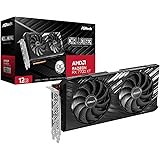
ASRock AMD Radeon RX 7700 XT Challenger 12GB GDDR6 192-bit 0dB Silent Cooling 7680 x 4320 DisplayPort HDMI LED Indicator 18Gbps Dual Fan Graphics Card
$399.99 (as of 11/03/2026 13:57 GMT +03:00 - More infoProduct prices and availability are accurate as of the date/time indicated and are subject to change. Any price and availability information displayed on [relevant Amazon Site(s), as applicable] at the time of purchase will apply to the purchase of this product.)
ASUS Dual Radeon™ RX 9060 XT 16GB GDDR6 Graphics Card (PCIe 5.0, HDMI 2.1b, DisplayPort 2.1a, 2.5-Slot Design, Axial-tech Fan Design, 0dB Technology, and More)
$489.99 (as of 11/03/2026 13:57 GMT +03:00 - More infoProduct prices and availability are accurate as of the date/time indicated and are subject to change. Any price and availability information displayed on [relevant Amazon Site(s), as applicable] at the time of purchase will apply to the purchase of this product.)