
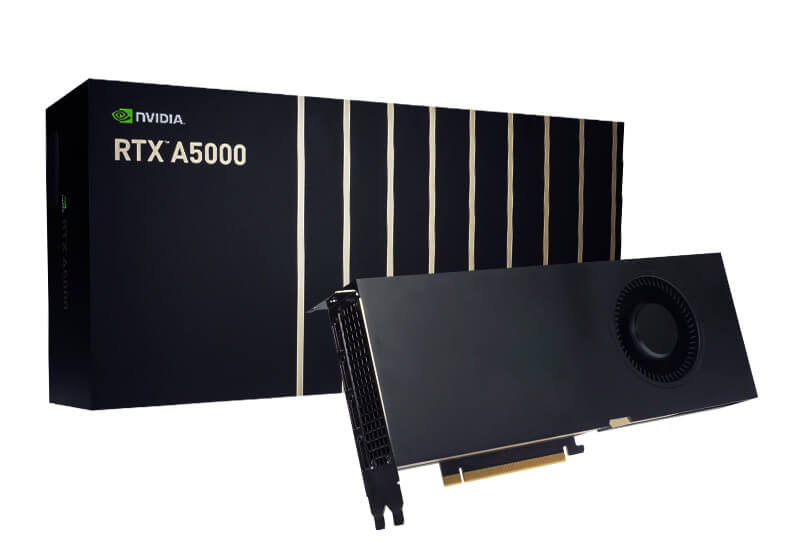
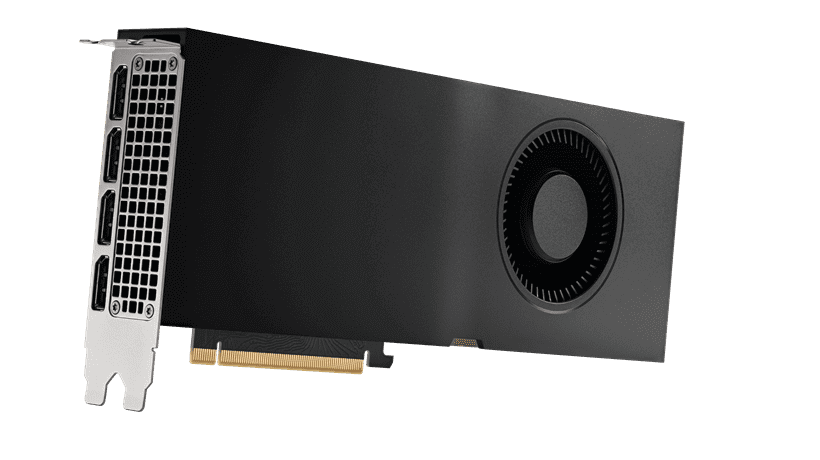
The NVIDIA RTX A5000 is a powerful graphics processing unit (GPU) that has gained significant attention in the cryptocurrency mining community due to its impressive performance across various mining algorithms
Different Hashrates Depending on the Mining Algorithm
We will explore the different hashrates the RTX A5000 can achieve depending on the specific mining algorithm being used, providing insights into the versatility and efficiency of this GPU in the world of cryptocurrency mining.
The RTX A5000 is a high-end GPU designed for professional and enterprise-level applications, but its capabilities have also made it a popular choice among cryptocurrency miners. Hashrate, which is the measure of a GPU’s computational power in solving the complex mathematical problems required for mining cryptocurrencies, is a crucial factor in determining the profitability and efficiency of a mining operation.
Ethash Algorithm Performance
One of the key advantages of the RTX A5000 is its ability to deliver varying hashrates depending on the mining algorithm being used. For example, on the Ethash algorithm, which is commonly used for mining Ethereum and Ethereum Classic, the RTX A5000 can achieve around 99. 00 Mh/s (megahashes per second) with a power draw of approximately 230W. This performance makes the RTX A5000 a viable option for Ethash-based mining, as it offers a good balance between hashrate and power efficiency. The high hashrate ensures that the GPU can effectively contribute to the mining process, while the relatively low power draw helps to maintain a favorable energy-to-output ratio, making the RTX A5000 an attractive choice for miners focused on Ethash-based cryptocurrencies.
However, the RTX A5000’s true versatility shines when it comes to other mining algorithms. On the Autolykos2 algorithm, which is used for mining the Ergo cryptocurrency, the RTX A5000 can achieve around 240. 00 Mh/s with a power draw of 240W. This significant increase in hashrate compared to Ethash demonstrates the GPU’s ability to adapt and excel in different mining environments.
kHeavyHash Algorithm Performance
Whether it’s the high Ethash hashrate for Ethereum and Ethereum Classic mining, the impressive kHeavyHash performance for Kaspa and other cryptocurrencies, or the potential for future algorithm-specific optimizations, the RTX A5000 has proven to be a valuable asset for miners seeking to maximize their profitability and adapt to the ever-changing cryptocurrency landscape.
The RTX A5000’s performance reaches even greater heights when mining cryptocurrencies that utilize the kHeavyHash algorithm, such as Kaspa. In this case, the GPU can achieve an impressive hashrate of around 630. 00 Mh/s while only drawing 100W of power. This exceptional efficiency and performance make the RTX A5000 a highly sought-after GPU for miners focused on kHeavyHash-based cryptocurrencies. The ability to achieve such a high hashrate while maintaining a low power draw is a significant advantage, as it allows miners to maximize their profitability by reducing energy costs and increasing the overall mining output. This exceptional efficiency and performance make the RTX A5000 a highly sought-after GPU for miners focused on kHeavyHash-based cryptocurrencies.
Karlsenhash Algorithm Performance
It’s worth mentioning the RTX A5000’s performance on the Karlsenhash algorithm, which is another mining algorithm that has gained attention in the cryptocurrency community. While the specific hashrate and power draw figures for this algorithm may vary, the RTX A5000’s versatility and adaptability to different mining algorithms is a testament to its engineering and design.
Karlsenhash algorithm, which is used for mining the Kadena cryptocurrency. In this scenario, the RTX A5000 can achieve an astonishing hashrate of approximately 950. 00 Mh/s while maintaining a power draw of only 100W. This level of performance highlights the GPU’s ability to adapt and excel in a wide range of mining algorithms, making it a valuable asset for miners seeking to maximize their returns.
Factors Influencing Hashrate Variability
The versatility of the RTX A5000 in the world of cryptocurrency mining is a testament to the ongoing advancements in GPU technology. As the demand for efficient and high-performing mining hardware continues to grow, GPUs like the RTX A5000 have become increasingly valuable assets for miners seeking to maximize their profits and stay ahead of the competition.
The NVIDIA RTX A5000 is a remarkable GPU that has demonstrated its ability to deliver varying hashrates depending on the mining algorithm being used. From the relatively modest performance on Ethash to the exceptional efficiency on kHeavyHash and Karlsenhash, the RTX A5000 has proven to be a highly versatile and valuable tool for cryptocurrency miners. By understanding the specific hashrates and power consumption of the RTX A5000 across different algorithms, miners can make informed decisions and optimize their mining operations for maximum profitability and efficiency.
The variability in hashrates observed with the RTX A5000 can be attributed to several factors, including the inherent characteristics of the mining algorithms themselves, the GPU’s architecture and optimization, and the specific hardware and software configurations used in the mining setup.
Mining algorithms can have different computational requirements and memory access patterns, which can significantly impact the performance of a GPU. The Ethash algorithm, for example, is known to be memory-intensive, requiring large amounts of fast memory access, while the kHeavyHash algorithm may be more computationally intensive, favoring the GPU’s raw processing power.
The RTX A5000’s architecture, which includes features such as Tensor Cores and RT Cores, is designed to optimize performance for a wide range of workloads, including cryptocurrency mining. The GPU’s ability to efficiently handle the specific computational and memory requirements of different mining algorithms is a key factor in its ability to deliver varying hashrates.
Additionally, the software and driver optimizations, as well as the overall system configuration (e. g. , CPU, memory, power supply, cooling) can also play a role in the GPU’s mining performance. Miners may need to experiment with different settings and configurations to achieve the best possible hashrates for their specific use cases.
Implications for Miners
The RTX A5000’s versatility in terms of hashrate delivery has significant implications for miners. It allows them to adapt their mining strategies and focus on the most profitable cryptocurrencies based on the current market conditions and the performance of their mining rigs.
For example, if the Ethash-based cryptocurrencies, such as Ethereum and Ethereum Classic, are experiencing favorable market conditions and profitability, miners can leverage the RTX A5000’s high Ethash hashrate to maximize their earnings. Conversely, if kHeavyHash-based cryptocurrencies, like Kaspa, become more attractive, the RTX A5000’s exceptional performance in this algorithm can provide a significant advantage.
This flexibility and adaptability are particularly valuable in the volatile and rapidly evolving cryptocurrency mining landscape, where market conditions and mining algorithm preferences can shift quickly. The ability to seamlessly transition between different mining algorithms and optimize for the most profitable opportunities can be a crucial factor in the success and profitability of mining operations.
Potential Future Developments
As the cryptocurrency mining industry continues to evolve, it is likely that we will see further advancements in GPU technology and mining algorithms that could impact the performance and versatility of the RTX A5000.
For instance, the development of new mining algorithms or the optimization of existing ones may lead to changes in the hashrate and power efficiency characteristics of the RTX A5000. Additionally, future GPU architectures from NVIDIA or other manufacturers may introduce even more advanced features and capabilities that could further enhance the performance and adaptability of mining hardware.
Miners and industry analysts will need to closely monitor these developments and be prepared to adapt their strategies and equipment accordingly. The ability to stay informed and make informed decisions about the most profitable mining opportunities will be crucial for maintaining a competitive edge in the rapidly changing cryptocurrency mining landscape.
GIGABYTE GeForce RTX 5060 WINDFORCE OC 8G Graphics Card, Cooling System, 8GB 128-bit GDDR7, PCIe 5.0, Manufactured by NVIDIA, DisplayPort & HDMI - Video Output Interface, GV-N5060WF2OC-8GD Video Card
$349.99 (as of 11/03/2026 13:57 GMT +03:00 - More infoProduct prices and availability are accurate as of the date/time indicated and are subject to change. Any price and availability information displayed on [relevant Amazon Site(s), as applicable] at the time of purchase will apply to the purchase of this product.)
Sparkle Intel Arc B570 Guardian OC Graphics Card, 10GB GDDR6, Torn Cooling 2.0, Axial Fan, Breathing Light, Metal Backplate, SB570G-10GOC
$227.88 (as of 11/03/2026 13:57 GMT +03:00 - More infoProduct prices and availability are accurate as of the date/time indicated and are subject to change. Any price and availability information displayed on [relevant Amazon Site(s), as applicable] at the time of purchase will apply to the purchase of this product.)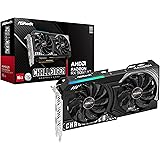
ASRock Radeon RX 9060 XT Challenger 16GB GDDR6 OC Graphics Card | 3300 MHz Boost | Dual Fan | 0dB Cooling | Metal Backplate | PCIe 5.0 | DisplayPort 2.1a, HDMI 2.1b
$469.99 (as of 11/03/2026 13:57 GMT +03:00 - More infoProduct prices and availability are accurate as of the date/time indicated and are subject to change. Any price and availability information displayed on [relevant Amazon Site(s), as applicable] at the time of purchase will apply to the purchase of this product.)
ASUS TUF GeForce RTX™ 5080 16GB GDDR7 OC Edition Graphics Card, NVIDIA, Desktop (PCIe® 5.0, HDMI®/DP 2.1, 3.6-Slot, Military-Grade Components, Protective PCB Coating, Axial-tech Fans, Vapor Chamber)
$1,644.99 (as of 11/03/2026 13:57 GMT +03:00 - More infoProduct prices and availability are accurate as of the date/time indicated and are subject to change. Any price and availability information displayed on [relevant Amazon Site(s), as applicable] at the time of purchase will apply to the purchase of this product.)
ASUS Prime Radeon™ RX 9070 XT OC Edition Graphics Card, AMD (PCIe 5.0, HDMI/DP 2.1, 2.5-Slot Design, Axial-tech Fans, Ball Bearings, Dual BIOS, GPU Guard)
$799.99 (as of 11/03/2026 13:57 GMT +03:00 - More infoProduct prices and availability are accurate as of the date/time indicated and are subject to change. Any price and availability information displayed on [relevant Amazon Site(s), as applicable] at the time of purchase will apply to the purchase of this product.)