
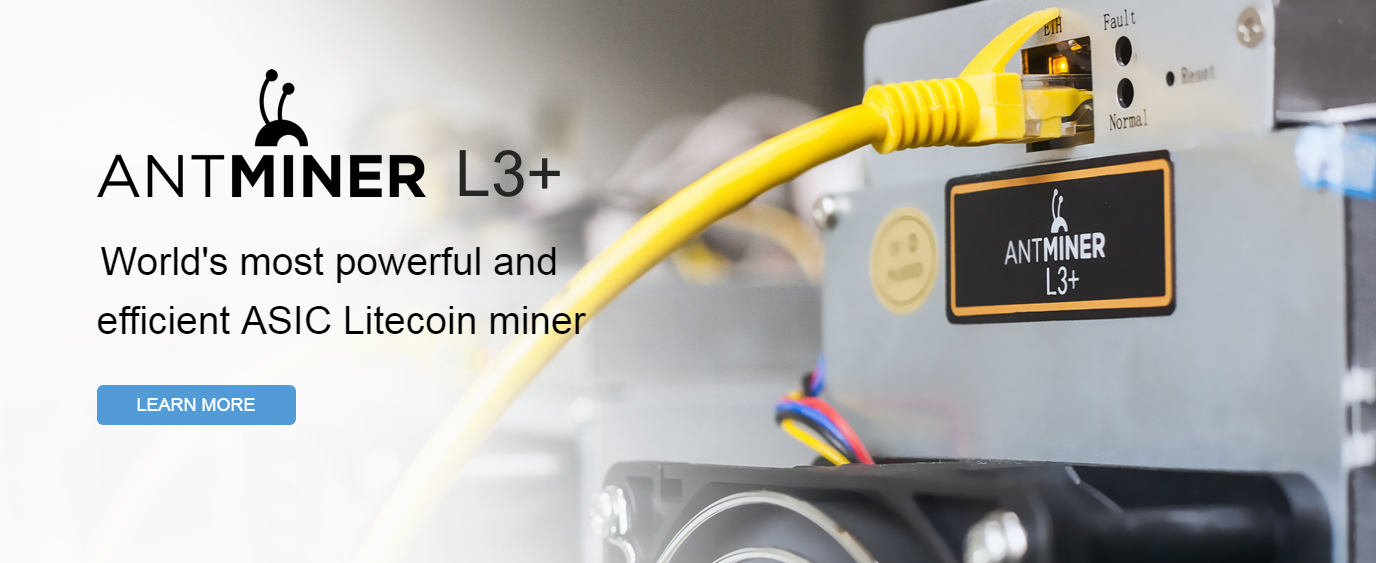
The Bitmain Antminer L3+ represents a significant milestone in the evolution of cryptocurrency mining hardware, particularly for Scrypt-based coins like Litecoin. Released in 2017, this application-specific integrated circuit (ASIC) miner quickly became a popular choice among cryptocurrency enthusiasts due to its efficiency and performance. Understanding its technical specifications, historical context, and impact on the cryptocurrency landscape provides valuable insights into the dynamics of digital currency mining.
At the heart of the Antminer L3+ lies its array of 288 BM1485 chips. These chips are specifically designed to perform the Scrypt hashing algorithm, which is used by Litecoin and other cryptocurrencies. This specialization is what allows ASICs like the L3+ to significantly outperform general-purpose hardware such as CPUs and GPUs in mining Scrypt-based coins. The BM1485 chips represent a leap in mining technology, optimizing power consumption and hash rate to maximize profitability.
The control board of the Antminer L3+ utilizes a Texas Instruments AM335x 1GHz ARM Cortex-A8 microprocessor. This processor is responsible for managing the operations of the miner, including communication with the network, monitoring temperature, and controlling the hashing process. The choice of an ARM-based processor reflects a trend in embedded systems towards energy efficiency and reliable performance, essential for the continuous operation required in cryptocurrency mining.
The Antminer L3+ boasts a Litecoin mining hash rate of 504 MH/s (Mega hashes per second). This figure indicates the speed at which the miner can perform the complex calculations required to solve cryptographic puzzles and earn cryptocurrency rewards. At the time of its release, this hash rate was significantly higher than what could be achieved with other mining hardware, making the L3+ a highly sought-after device.
The power consumption of the Antminer L3+ is approximately 800 watts per hour. This power usage translates to a power efficacy of 1. 6 Joules per Mega hash (J/MH), a measure of how efficiently the miner converts electrical energy into hashing power. While 800 watts is a substantial amount of power, the L3+’s efficiency was considered competitive within the ASIC mining market, balancing performance and energy costs.
One notable drawback of the Antminer L3+ is its noise level, which is rated at 75 decibels. This level of noise is considerable, roughly equivalent to the sound of a vacuum cleaner. The high noise level is primarily due to the cooling fans required to dissipate the heat generated by the ASIC chips. This noise can be a significant issue for miners operating in residential areas or shared spaces, often necessitating soundproofing measures.
The development and release of the Antminer L3+ were influenced by several key individuals and the broader technological context of the cryptocurrency industry. Bitmain, the manufacturer of the Antminer L3+, has been a dominant player in the ASIC mining hardware market. Jihan Wu, the co-founder of Bitmain, played a crucial role in the company’s success and its impact on the cryptocurrency mining landscape. His vision and strategic decisions have significantly shaped the direction of mining technology.
The introduction of ASICs like the Antminer L3+ led to increased centralization in cryptocurrency mining. As ASICs offered a significant performance advantage over CPUs and GPUs, larger mining operations with the resources to acquire and operate these specialized devices gained a disproportionate share of the mining rewards. This centralization raised concerns about the security and decentralization of cryptocurrencies like Litecoin.
The dominance of ASICs in Scrypt mining has led to debates within the cryptocurrency community about ASIC resistance. Some developers and users argue that cryptocurrencies should be designed to be ASIC-resistant, meaning that specialized hardware like ASICs would not have a significant advantage over general-purpose hardware. The goal of ASIC resistance is to promote broader participation in mining and prevent centralization. However, achieving effective ASIC resistance has proven to be a challenging technical problem.
The Antminer L3+ has had a significant impact on the economics of Litecoin mining. The increased efficiency of ASIC miners made it more difficult for individuals using CPUs or GPUs to compete. As a result, many smaller miners were forced to exit the market, while larger mining operations with access to cheaper electricity and advanced cooling solutions became more profitable.
Over time, the Antminer L3+ has become less profitable due to increasing competition from newer and more efficient ASIC miners. As the difficulty of mining Litecoin has increased, the hash rate required to earn a significant share of the mining rewards has also risen. This has led to a gradual decline in the profitability of older miners like the L3+, as they are unable to compete with the performance of newer hardware.
The Antminer L3+ exemplifies the rapid pace of innovation in cryptocurrency mining technology. The development and release of this ASIC miner spurred competition among hardware manufacturers, leading to the creation of even more powerful and efficient mining devices. This continuous cycle of innovation has driven down the cost of mining and increased the overall security of cryptocurrency networks.
Looking to the future, the development of cryptocurrency mining hardware is likely to continue to focus on improving energy efficiency and reducing noise levels. As environmental concerns become more pressing, there will be increasing pressure on miners to adopt more sustainable practices. This could lead to the development of new cooling technologies, such as liquid immersion cooling, and the use of renewable energy sources to power mining operations.
The Antminer L3+ also illustrates the challenges of maintaining decentralization in cryptocurrency mining. The concentration of mining power in the hands of a few large operations raises concerns about the potential for malicious actors to control the network. Addressing this issue will require ongoing efforts to develop more decentralized mining algorithms and to promote broader participation in mining.
In conclusion, the Bitmain Antminer L3+ represents a key development in the history of cryptocurrency mining. Its technical specifications, including the 288 BM1485 chips, the Texas Instruments ARM processor, and the 504 MH/s hash rate, demonstrate the advancements in ASIC technology. While it has contributed to the efficiency and security of Litecoin mining, it has also raised important questions about centralization and the economics of cryptocurrency mining. Understanding the impact of the Antminer L3+ provides valuable insights into the ongoing evolution of digital currency and the challenges of maintaining a decentralized and secure network

Litecoin Mining Hashrate : 504 MH/s
Power Consumption : 800 Watt/Per Hour
Power Efficacy : 1.6 J/MH
Noise level : 75 db

ASUS Dual GeForce RTX™ 5060 8GB GDDR7 OC Edition (PCIe 5.0, 8GB GDDR7, DLSS 4, HDMI 2.1b, DisplayPort 2.1b, 2.5-Slot Design, Axial-tech Fan Design, 0dB Technology, and More)
$369.99 (as of 11/03/2026 13:57 GMT +03:00 - More infoProduct prices and availability are accurate as of the date/time indicated and are subject to change. Any price and availability information displayed on [relevant Amazon Site(s), as applicable] at the time of purchase will apply to the purchase of this product.)
ASUS The SFF-Ready Prime GeForce RTX™ 5070 OC Edition Graphics Card, NVIDIA, Desktop (PCIe® 5.0, 12GB GDDR7, HDMI®/DP 2.1, 2.5-Slot, Axial-tech Fans, Dual BIOS)
$699.99 (as of 11/03/2026 13:57 GMT +03:00 - More infoProduct prices and availability are accurate as of the date/time indicated and are subject to change. Any price and availability information displayed on [relevant Amazon Site(s), as applicable] at the time of purchase will apply to the purchase of this product.)
GIGABYTE Radeon RX 9060 XT Gaming OC 16G Graphics Card, PCIe 5.0, 16GB GDDR6, GV-R9060XTGAMING OC-16GD Video Card
$459.99 (as of 11/03/2026 13:57 GMT +03:00 - More infoProduct prices and availability are accurate as of the date/time indicated and are subject to change. Any price and availability information displayed on [relevant Amazon Site(s), as applicable] at the time of purchase will apply to the purchase of this product.)
XFX Radeon RX 580 GTS XXX Edition 1386MHz OC+, 8GB GDDR5, VR Ready, Dual BIOS, 3xDP HDMI DVI, AMD Graphics Card (RX-580P8DFD6)
$219.99 (as of 11/03/2026 13:57 GMT +03:00 - More infoProduct prices and availability are accurate as of the date/time indicated and are subject to change. Any price and availability information displayed on [relevant Amazon Site(s), as applicable] at the time of purchase will apply to the purchase of this product.)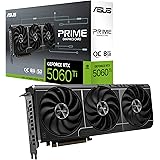
ASUS The SFF-Ready Prime GeForce RTX™ 5060 Ti 8GB GDDR7 OC Edition Graphics Card (PCIe® 5.0, 8GB GDDR7, HDMI®/DP 2.1, 2.5-Slot, Axial-tech Fans, Dual BIOS)
$415.99 (as of 11/03/2026 13:57 GMT +03:00 - More infoProduct prices and availability are accurate as of the date/time indicated and are subject to change. Any price and availability information displayed on [relevant Amazon Site(s), as applicable] at the time of purchase will apply to the purchase of this product.)